Topping Google Play on Day One: Behind the Scenes of an AI Development Experiment
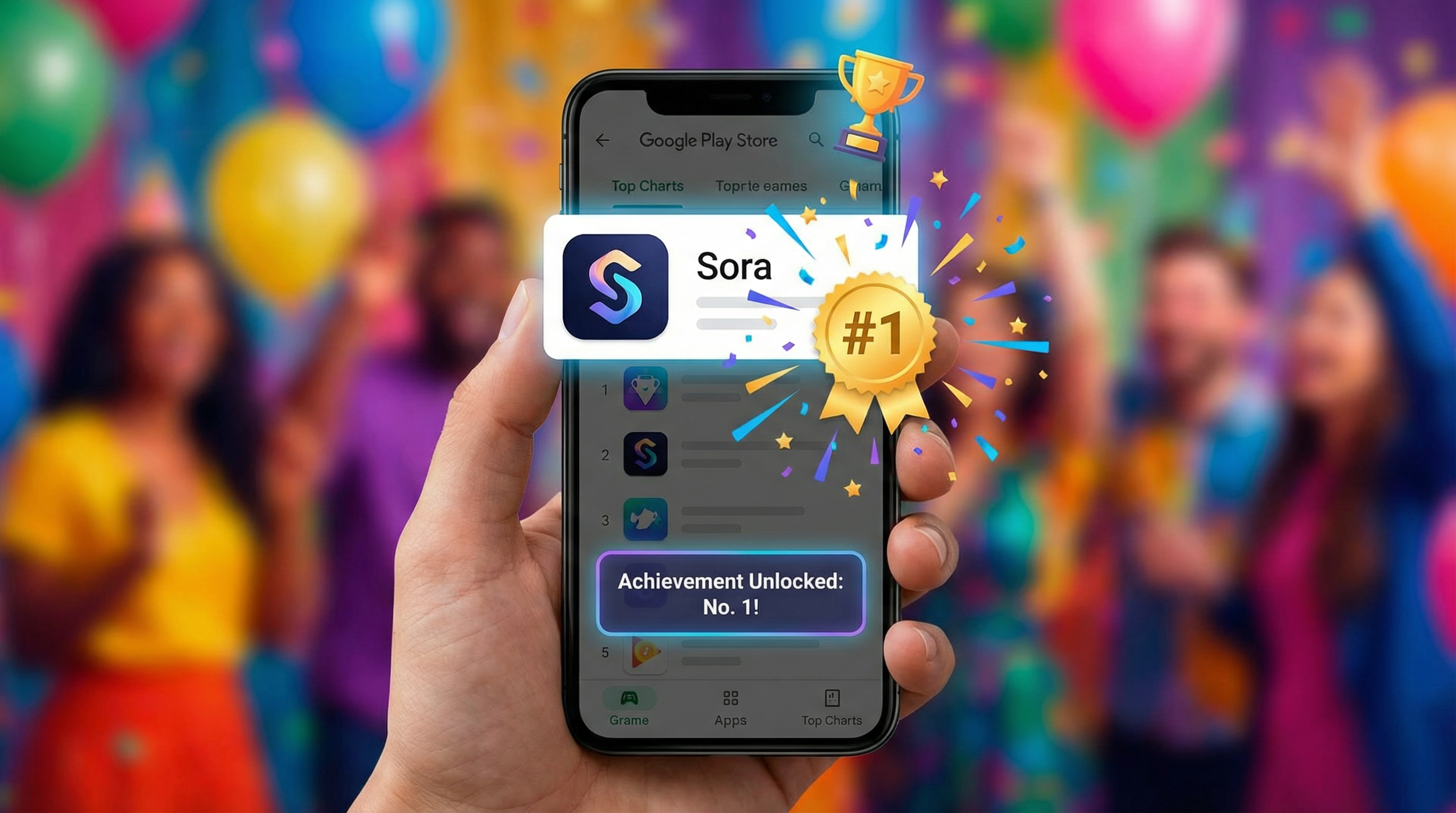
In November 2025, when the Sora Android app officially launched on the Google Play Store, almost no one expected it to dominate the charts so quickly. On launch day, the app hit #1 in US downloads, with over 1 million users generating videos within the first 24 hours.
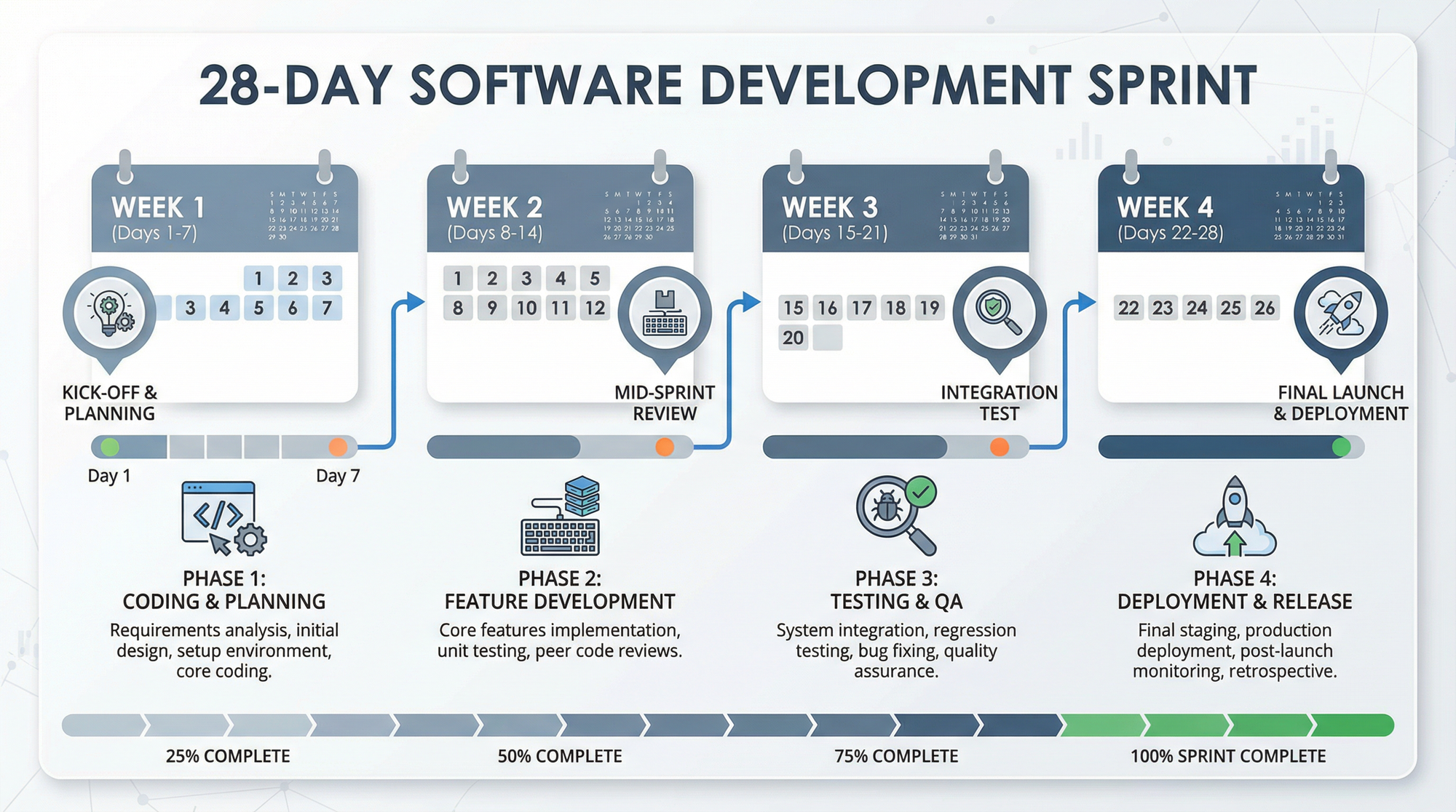
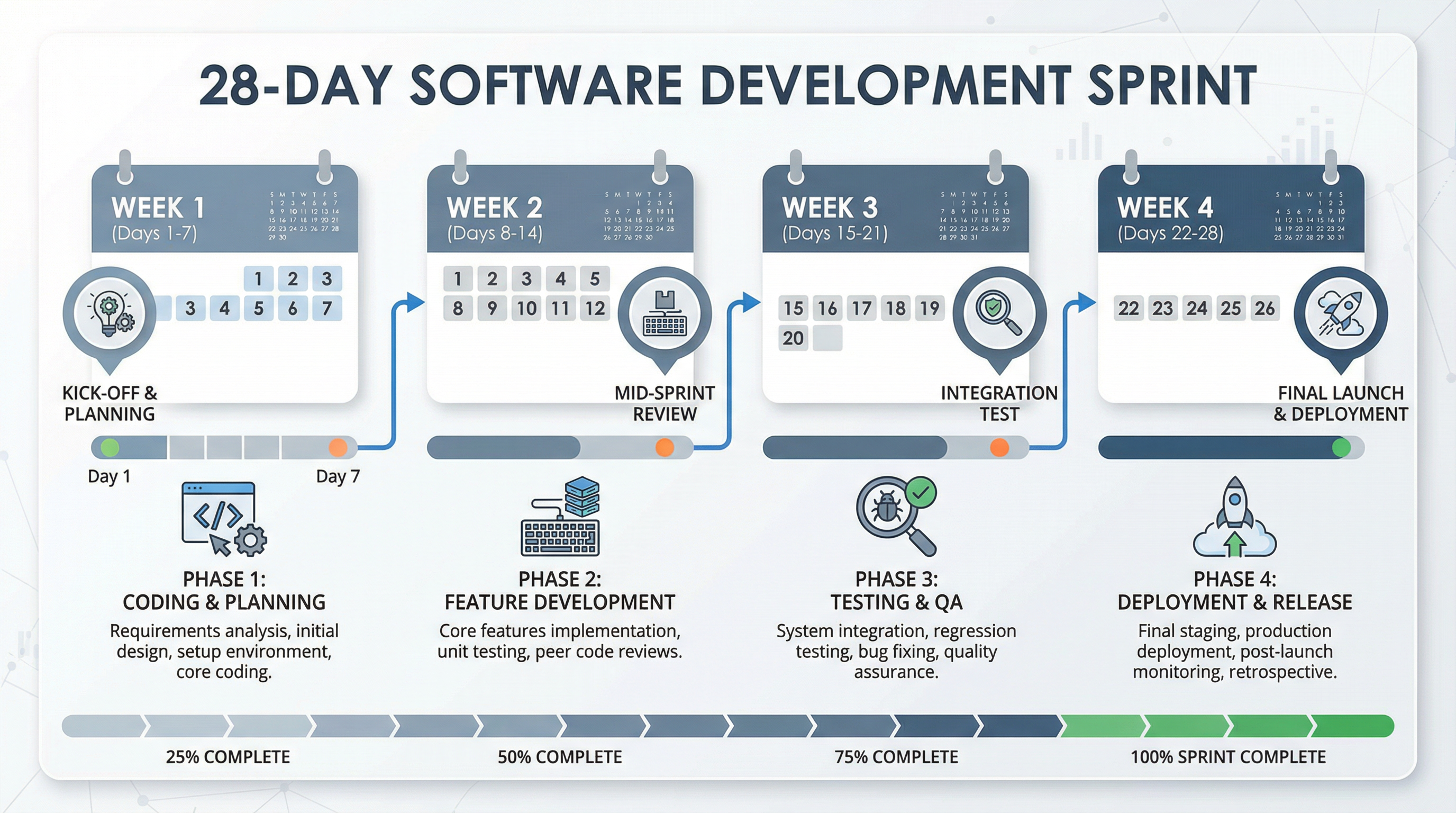
Even more shocking? The development timeline—just 28 days.
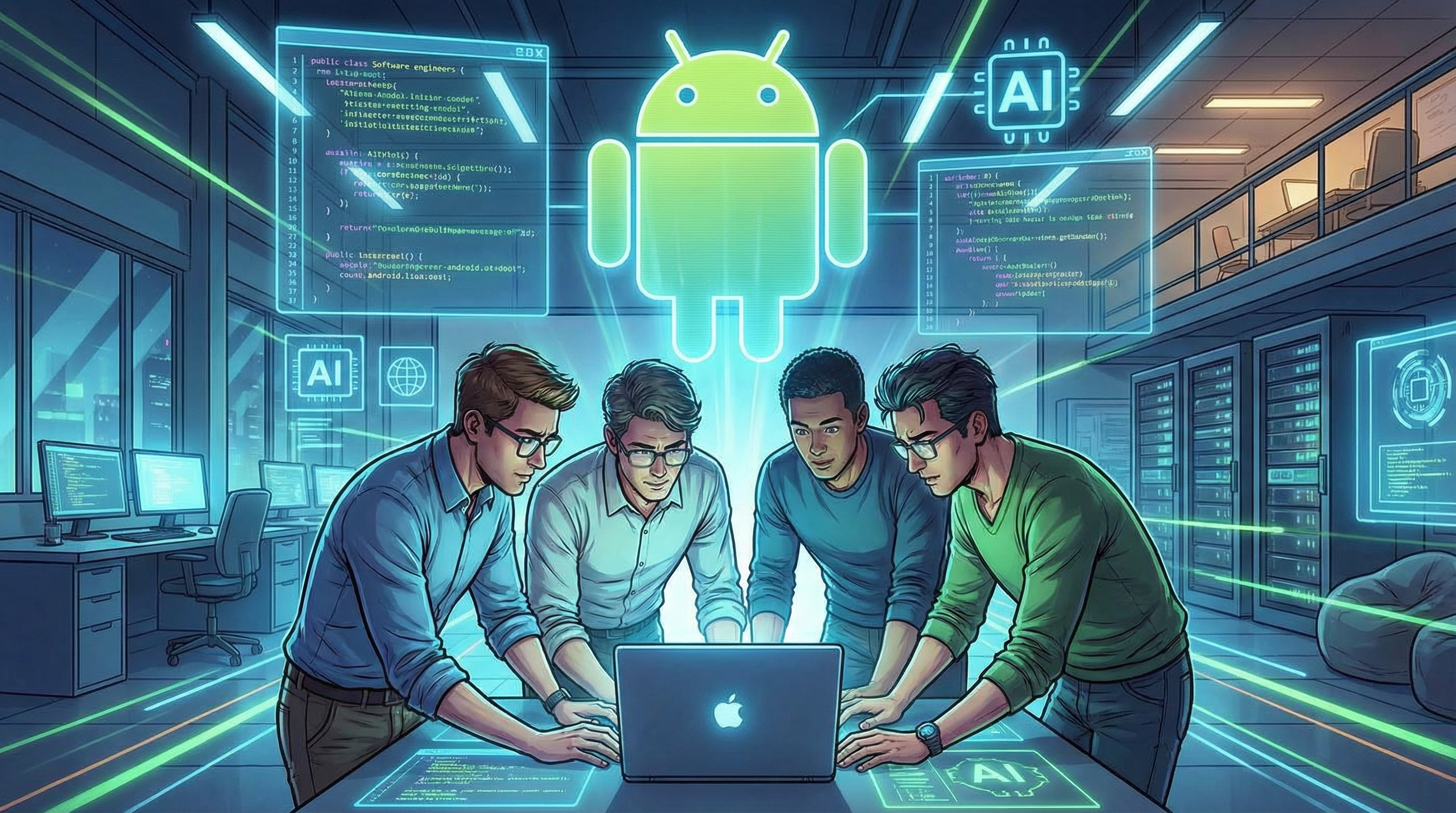
And the team that pulled off this "impossible" feat? Four engineers and an AI assistant: Codex.
The Timeline: October 8 to November 5
The story begins on October 8, 2025.
At that point, Sora's iOS version had already launched to enthusiastic user response. But the demand from the Android market was equally strong—after all, over 70% of smartphone users worldwide run Android devices.
Under traditional software development processes, building a cross-platform app from scratch typically requires assembling a team of dozens of people and takes several months. But OpenAI chose a completely different path:
Send in just four engineers and have them collaborate deeply with Codex, their AI programming assistant.
According to a technical report published by OpenAI engineers Patrick Hum and RJ Marsan, the entire project launched on October 8 and was production-ready by November 5—just 28 days later. During this period, the team consumed approximately 5 billion tokens, with Codex handling 85% of the entire codebase.
Core Strategy: Treating Codex Like a "New Senior Engineer"
If you think this was simply about having AI "write code," you'd be way off.
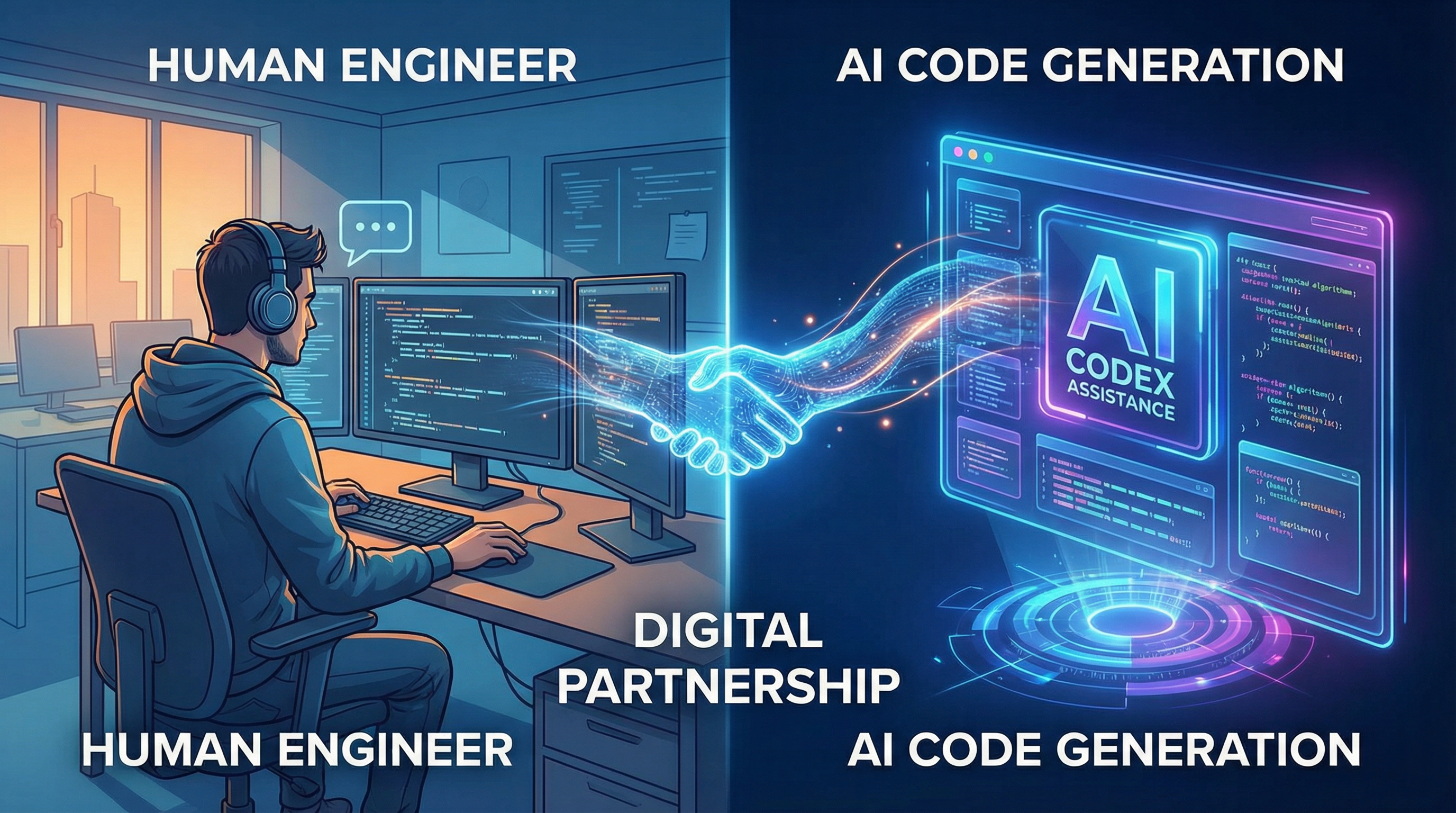
OpenAI's team adopted an entirely new collaboration model: treating Codex like a newly hired senior engineer on the team, not just a simple code generation tool.
Patrick Hum describes it in the report: "We treated Codex like an experienced new colleague—it just needs clear instructions and can handle massive amounts of heavy lifting. Human engineers focus on architectural design, UX optimization, systemic changes, and final quality control."
This division of labor resulted in astounding efficiency gains:
- Codex handled: Reading large codebases, writing repetitive logic, generating test cases, cross-platform code translation
- Human engineers handled: Architecture decisions, product experience, code review, integration coordination
In their own words: "The bottleneck shifted from 'writing code' to 'making decisions, providing feedback, and integrating changes.'"
Technical Breakthrough: Forget React Native, Codex IS the Cross-Platform Solution
In cross-platform development, React Native and Flutter have long been the mainstream choices. But OpenAI's team took a far more aggressive approach:
"Forget React Native or Flutter—the future of cross-platform development is Codex."
That's what RJ Marsan wrote in the technical report.
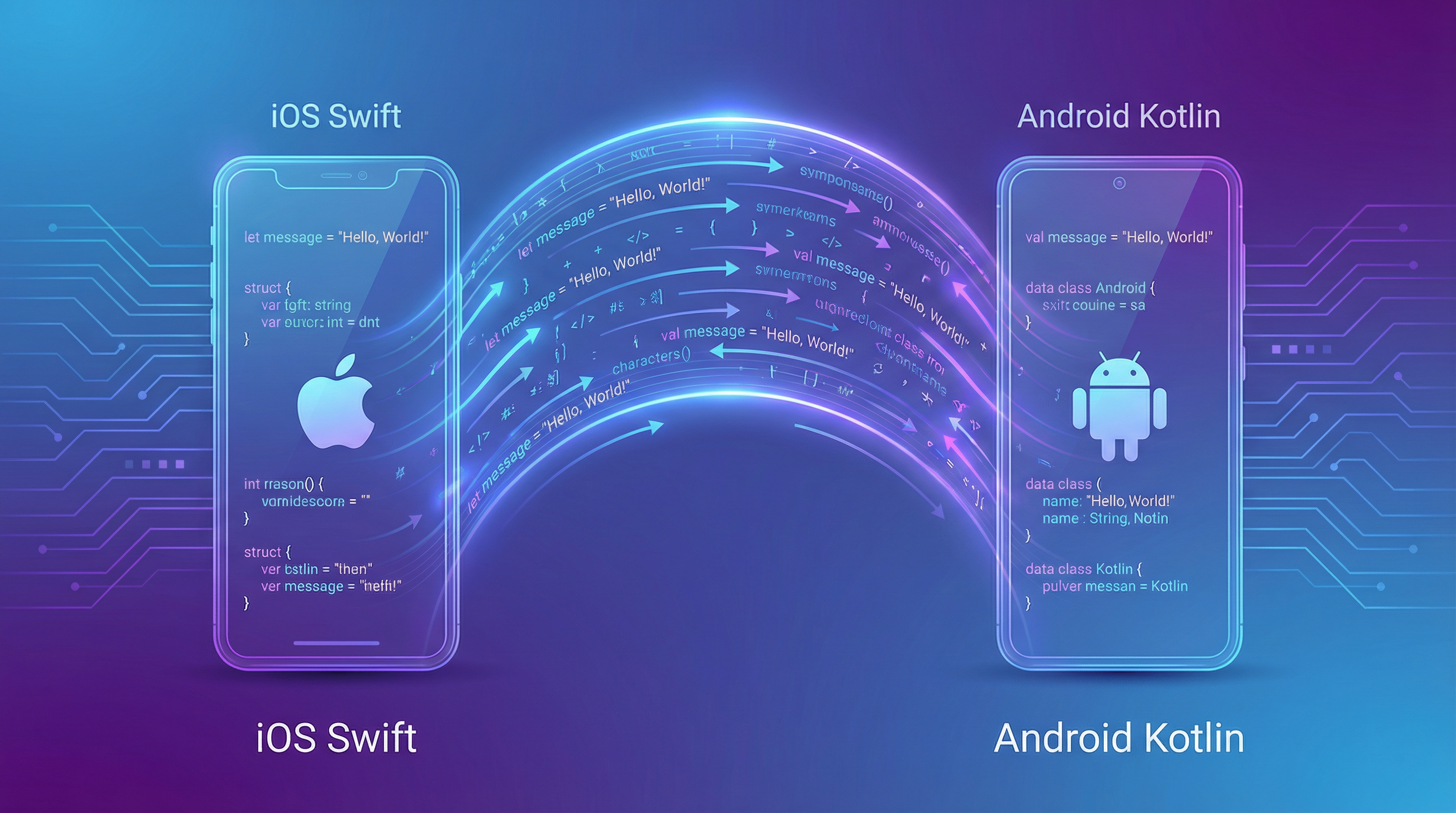
Specifically, the team didn't rewrite the Android app from scratch. Instead, they used Codex to directly translate the iOS version's Swift code into Android's Kotlin code while maintaining consistent functional behavior.
In this process, Codex demonstrated three critical capabilities:
- Understanding the entire codebase: Able to read and analyze tens of thousands of lines of iOS code, understanding its architecture and logic
- Precise translation: Converting Swift syntax and patterns into Kotlin while adapting for Android platform specifics
- Generating test coverage: Automatically writing unit tests and integration tests for key features to ensure stability
In the end, the app achieved 99.9% stability—an almost unimaginable achievement given such a compressed development cycle.
The Results: #1 on Day One, A Million Videos Generated
The numbers speak for themselves.
After launching, Sora's Android app immediately topped the Google Play Store, becoming the most downloaded app of the day. More importantly, users generated over 1 million videos on the first day alone, validating both the app's stability and user experience.
This achievement isn't just an endorsement of the product itself—it's a successful validation of the AI-assisted development model.
The Significance: A Milestone Moment for AI Development
The Sora Android case marks software development's entrance into a new era.
Previously, when we discussed AI-assisted programming, we were mostly talking about "code completion" or "bug fixes"—auxiliary features. But the capabilities Codex demonstrated in this project far exceed mere "assistance"—it handled 85% of the code writing work, becoming an indispensable core team member.
This brings several profound insights:
1. Small Teams Can Do Big Things
Under traditional development models, building a cross-platform app requires massive teams—iOS teams, Android teams, testing teams, ops teams... But with AI assistance, four people completed this work in a month.
This means dramatically lowered barriers to entry for startups. In the future, small teams or even solo developers could rapidly build complex applications.
2. "Human-AI Collaboration" Becomes the New Paradigm
Codex isn't here to "replace" engineers—it's here to "enhance" them. Humans focus on creative thinking and strategic decisions; AI handles execution and implementation.
As Patrick Hum put it: "Our work shifted from 'writing code' to 'making decisions'—that's where engineers add the most value."
3. New Possibilities for Cross-Platform Development
React Native and Flutter solved the cross-platform development problem, but they're essentially "compromise solutions"—sacrificing some performance and native experience for cross-platform compatibility.
Codex offers a different approach: direct translation. Maintain each platform's native characteristics while dramatically reducing development costs. This could become the mainstream direction for cross-platform development in the future.
Looking Ahead: The Future of AI Development
Sora Android's success is just the beginning.
OpenAI has already opened the GPT-5.1 Codex model to developers, providing services through CLI, IDE extensions, and web applications. This means more developers can replicate this "four people + AI" development model.
Imagine:
- A solo developer creating an app that rivals big company products in just one week
- Startup teams validating business ideas with fewer resources and faster speed
- Large companies letting engineers focus on innovation and strategy while delegating the "heavy lifting" to AI
This isn't science fiction—it's happening right now.
Of course, this also brings new challenges: How do we ensure the security of AI-generated code? How do we balance efficiency with quality? How do we redefine the role of "engineer"?
These questions are waiting for us to explore.
Final Thoughts
Through the Sora Android case, OpenAI shows us: In the AI era of software development, it's no longer about "can we do it," but "do we want to do it."
Technical barriers are dropping rapidly, making creativity and execution more important than ever. If you're a developer, now is the perfect time to embrace AI tools; if you're an entrepreneur, this might be your best opportunity to bring your ideas to life.
28 days, four people, one AI.
This isn't magic. This is the future.
References: